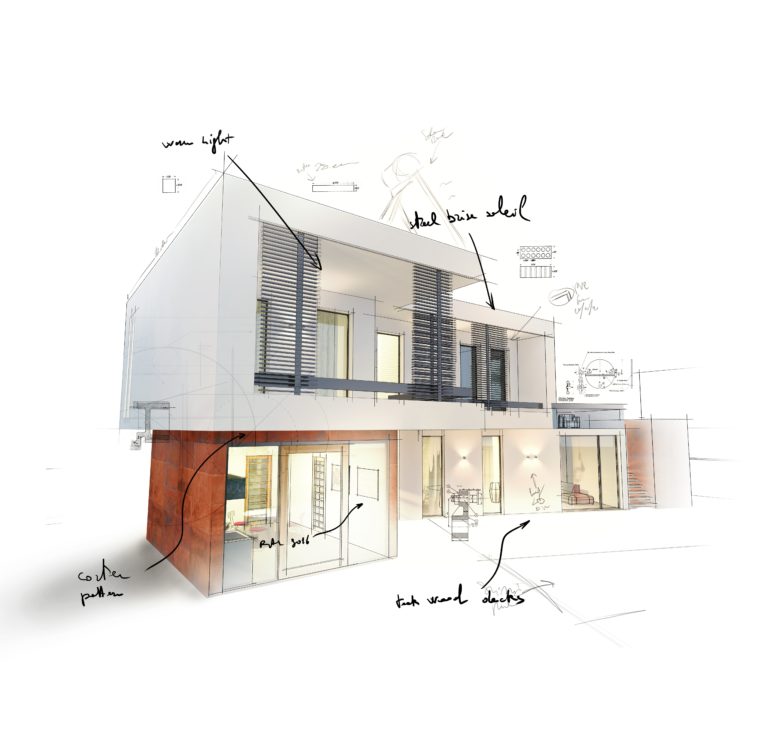
Sometimes you find a great house, but it needs a little bit of TLC. That is where a renovation loan comes in to the picture. A renovation loan, or 203(k), makes the process easier by allowing you to combine your renovation costs into your mortgage, helping you fund your home improvements. That means one loan and one closing, and a lot less stress on you!
There are a few different types of renovation loans offered that help fund minor repairs to major rehabilitation. Take a look at the overview below and decide which one will help you complete your dream home.
Standard 203(k) Mortgage Program: Use this program if you are looking to do large scale renovations, remodeling and repairs, and when a 203(k) consultant is required.
- No maximum repair cost amount, minimum $5,000 in eligible improvements required.
- Renovating/Remodeling: converting a 1-family structure to a 2-4 family structure, alterations such as repair or replacement of structural damage, constructing a garage, creating accessibility for persons with disabilities.
- Repairs: fixing HVAC systems, decks, patios, porches, well and/or septic systems.
- Energy conservation improvements: adding insulation, replacing windows and doors, install energy efficient lighting.
- Landscaping.
- May not be used for luxury items that do not become a permanent part of the property: swimming pools and hot tubs, bath houses, outdoor fireplaces, gazebos.
- Minimum down payment of 3.5% for purchases, 2.25% for rate/term refinances.
- Owner-occupied property only.
Limited 203k Mortgage Program: This program may only be used for minor remodeling and non-structural repairs. A 203(k) consultant is not required, but may be used for the project.
- Maximum repair cost $35,000.
- Improve house function and modernization: installing a new refrigerator, cooktop, oven, dishwasher, and/or washer/dryer, installing smoke detectors.
- Connecting to public water and sewage systems.
- Installing or repairing fences, walkways, and driveways, repairing old or damaged siding, gutters and downspouts.
- May not be used for luxury items that do not become a permanent part of the property: swimming pools and hot tubs, bath houses, outdoor fireplaces, gazebos.
- Repairs and improvements are completed in 6 months or less.
- Minimum down payment of 3.5% for purchases, 2.25% for rate/term refinances.
- Owner-occupied property only.
Fannie Mae HomeStyle® Renovation Mortgage: There are no required improvements or restrictions on the types of renovations allowed.
- No minimum dollar amount required for improvements, however, a HUD-approved consultant must be used when repairs and renovations exceed $15,000.
- May be used to complete final work on a newly built home when the home is at least 90% complete, remaining improvements must be related to completing non-structural items such as installation of buyer-selected items (flooring, cabinets, kitchen appliances, fixtures, and trim, etc.).
- May not be used for complete tear-down and reconstruction.
- May be used to construct outdoor buildings and structures such as swimming pools, garages, recreation rooms and accessory units.
- Repairs and improvements are completed in 6 months or less.
- Minimum down payment is dependent upon transaction type (3-25% required).
Already own your home but need to make some updates and repairs? We also offer renovation loans for refinances.
Contact a First Home Loan Officer in your area to discuss which option best fits your needs.